From fire ants in the lawn to cockroaches in the kitchen, mosquitoes around the patio, or rodents in the attic, Katy homes and businesses can experience a wide variety of pest problems. Integrated Pest Management takes an inspection-first approach, identifying the pest and the conditions supporting its activity before recommending treatment.
Based in nearby Richmond, our team has served Fort Bend County and surrounding Greater Houston communities since 1984. We bring decades of regional pest-management experience to properties throughout the Katy area.
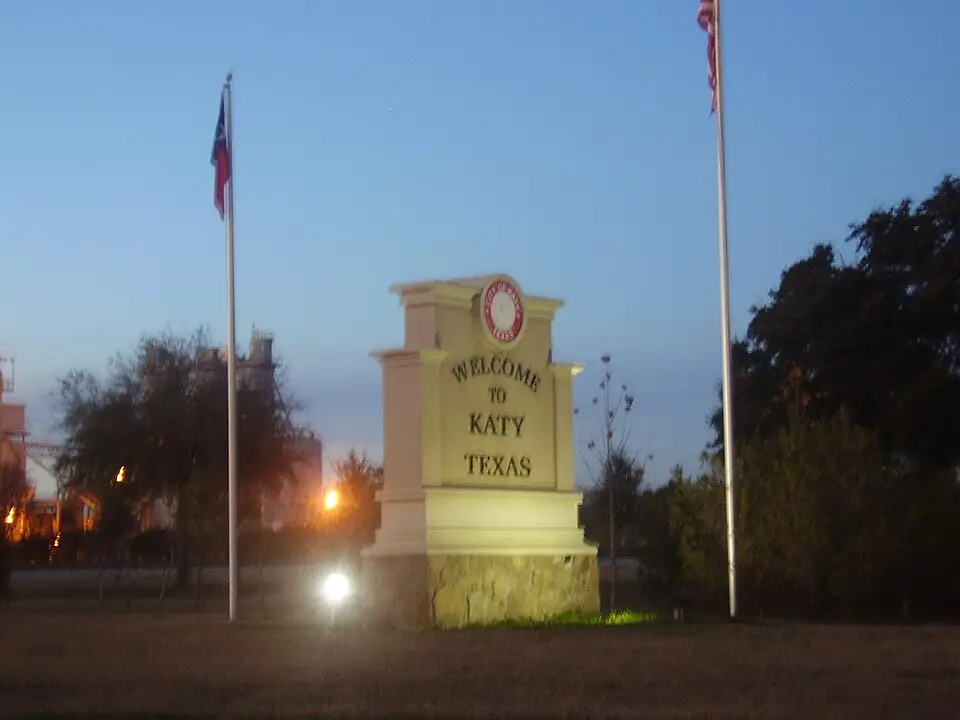
More than four decades of pest-management experience serving Fort Bend County and surrounding Greater Houston communities.
Pest management for Katy homes, offices, restaurants, retail properties, warehouses, and other facilities.
Different pests require different approaches. We inspect and identify contributing conditions before recommending a treatment strategy.
Our office is in Richmond, with professional pest-control services available throughout the surrounding Katy area.
Katy includes established neighborhoods, growing residential communities, commercial corridors, and landscaped outdoor spaces. Each setting can create different opportunities for pests to find food, water, shelter, or access to buildings.
A fire ant colony in the yard, cockroaches inside a restaurant, termites near a foundation, and rodents entering an attic are not problems that should automatically receive the same treatment.
Integrated Pest Management begins by identifying the pest, evaluating its activity, and looking for the conditions that allow it to thrive. That information helps determine whether treatment, exclusion, sanitation improvements, moisture correction, monitoring, or a combination of approaches is appropriate.
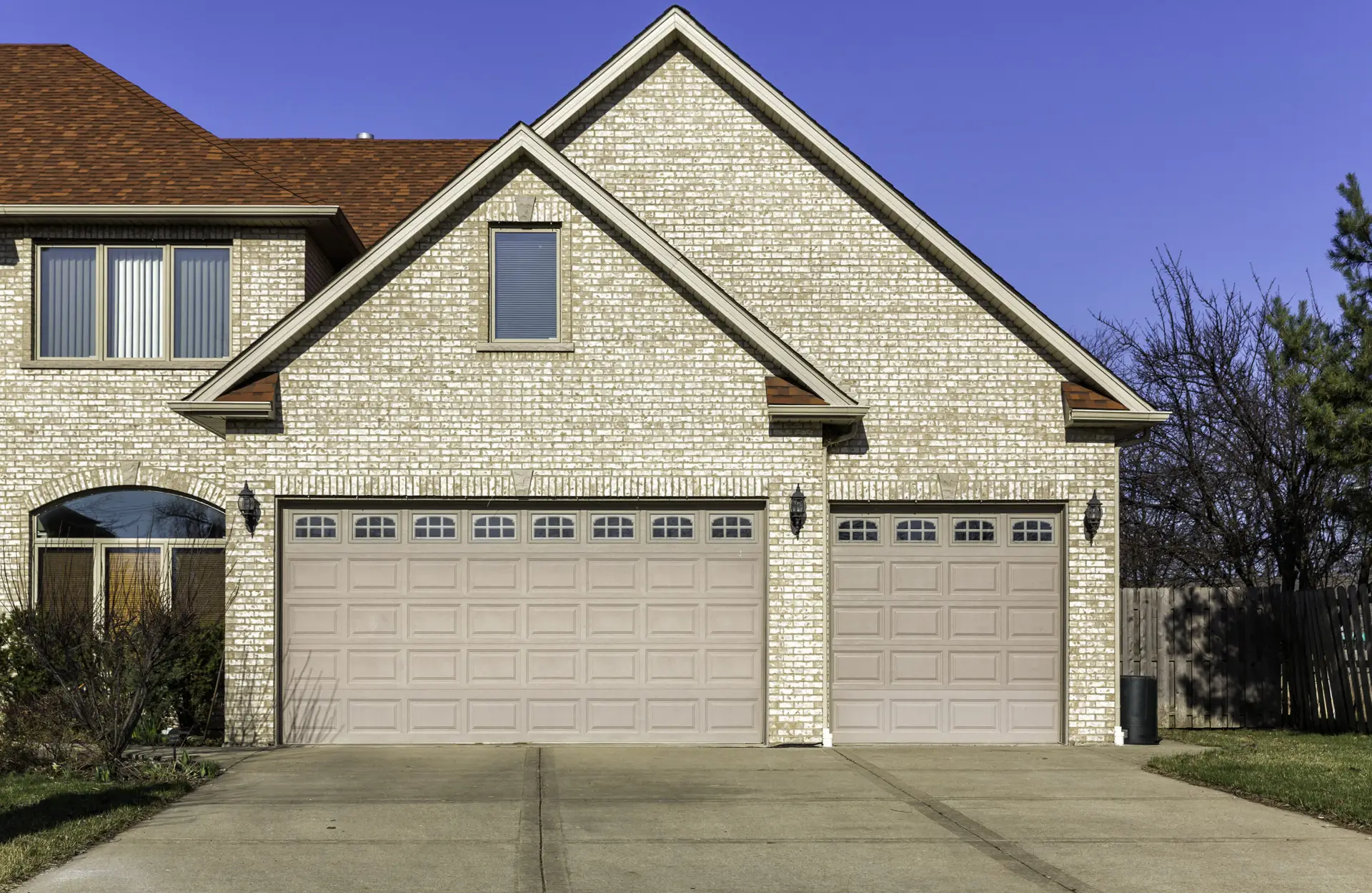
From ants and cockroaches to termites, mosquitoes, and rodents, our services address the different pest pressures found around Katy properties. Recommendations are based on the pest, the property, and the conditions identified during inspection.
Inspection-based pest management for Katy homes, addressing common household pests through targeted treatment, exterior prevention, and monitoring when appropriate.
Fire ants and other ant species require proper identification. Treatment options may include baits, non-repellent products, or other methods selected for the species and colony location.
Cockroach management considers the species, food and moisture sources, hiding areas, sanitation conditions, and openings that allow pests to enter.
Professional inspection and treatment for subterranean termites, including activity that may remain concealed around foundations, soil, and structural materials.
Mosquito management addresses standing water, irrigation-related moisture, shaded resting areas, and targeted treatment where appropriate.
Inspection and management of rodent and wildlife activity, with attention to rooflines, utility openings, access points, and practical exclusion opportunities.
Katy's warm Gulf Coast climate, seasonal rainfall, irrigated landscapes, and varied residential and commercial properties can support pest activity through much of the year. While the pests homeowners notice may change with the weather, cooler temperatures do not mean every pest problem disappears.
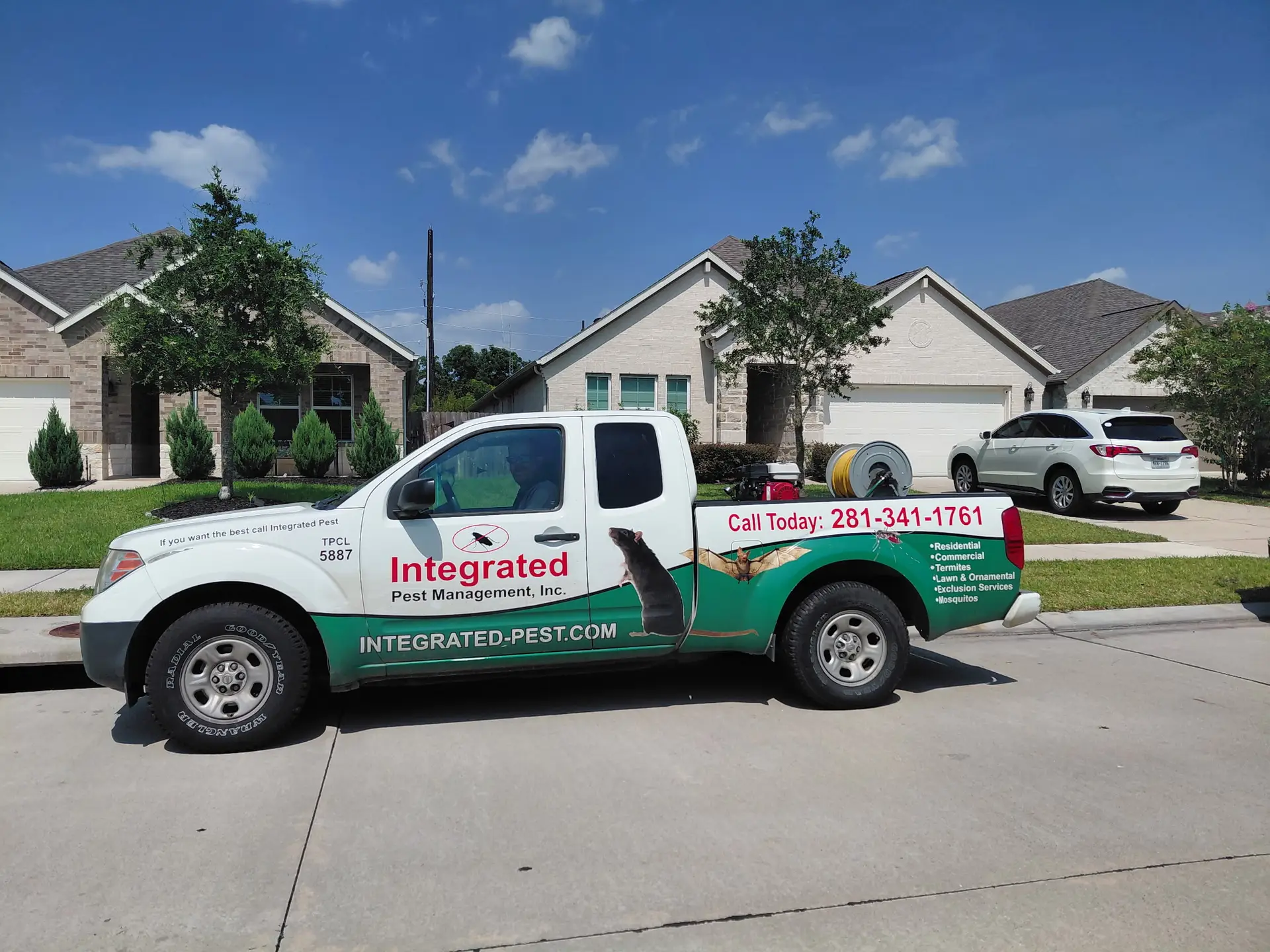
Finding the pest is only part of the inspection. Food, water, shelter, moisture, landscaping, sanitation, and structural entry points may all contribute to continued activity.
Integrated Pest Management combines multiple pest-control strategies rather than assuming every problem requires the same treatment. The goal is to understand what is happening first, then choose an appropriate response.
Look for activity, entry points, nesting areas, food and water sources, and other conditions contributing to the pest problem.
Determine the pest involved so recommendations can be based on its biology, behavior, and location.
Address practical conditions such as moisture, sanitation, landscaping, or structural openings when they are contributing to the problem.
Apply the appropriate product or control method where treatment is necessary instead of treating every pest the same way.
Evaluate ongoing activity and follow up when necessary to determine whether additional action is needed.
Identify first. Treat the right problem. Help prevent the next one.
Schedule an IPM Consultation
Commercial properties throughout Katy face pest pressures associated with deliveries, customer traffic, food preparation, waste storage, landscaping, moisture, and structural access points.
Integrated Pest Management provides commercial pest-control services for Katy-area offices, restaurants, retail centers, warehouses, schools, and other facilities.
Depending on the property, a commercial pest-management program may include scheduled inspections, monitoring, exterior prevention, rodent stations, sanitation recommendations, exclusion guidance, and targeted treatment when necessary.
Effective commercial pest management is more than applying products on a schedule. Identifying activity, addressing contributing conditions, and monitoring changes over time are important parts of the process.
Integrated Pest Management has served Fort Bend County since 1984, giving our team decades of experience with local pest pressures.
Correct identification matters because ants, termites, cockroaches, rodents, and other pests can require very different approaches.
When treatment is needed, the product, location, and application method should be chosen for the specific pest and situation.
Reducing entry points, moisture, food sources, standing water, and other favorable conditions can help make a property less inviting to pests.
Have questions about pest activity around your Katy home or business? Here are answers to some common concerns.
If pests keep appearing around your home or business, start by understanding what's attracting them and how they're getting inside.
Integrated Pest Management brings more than four decades of regional experience to Katy-area pest problems, with professional services built around inspection, proper identification, practical prevention, targeted treatment, and monitoring.