Home

-

Commercial Rodent Control

COMMERCIAL RODENT CONTROL IN GREATER HOUSTON

Rodent activity around a commercial property can create problems that go unnoticed until damage or visible activity occurs. Integrated Pest Management provides commercial rodent-control programs built around inspections, monitored bait stations, documented servicing, and practical prevention recommendations.

Serving Fort Bend County and Greater Houston since 1984, our team works with office buildings, retail properties, and other commercial facilities to manage rodent activity through a structured, ongoing approach.

UNDERSTANDING COMMERCIAL RODENT ACTIVITY

COMMERCIAL RODENT PROBLEMS REQUIRE MORE THAN A BAIT STATION

Rats and mice can take advantage of structural openings, landscaping, waste-handling areas, loading zones, and other conditions surrounding a commercial building.

Rodent activity may also remain out of sight around building perimeters, utility spaces, and concealed areas. Without routine inspection and monitoring, changes in activity can be missed.

As seasons change and temperatures begin to decline, rats and mice may seek additional shelter in and around commercial buildings. These seasonal shifts can increase the likelihood of rodents investigating structural openings, utility spaces, and storage areas. Regular inspections and monitoring help property managers recognize changes in activity and respond appropriately.

Integrated Pest Management evaluates the property, identifies conditions that may support rodents, and develops a management approach suited to the location. Installing a station is only one part of the process; monitoring and maintaining the program are equally important.

A bait station is only as useful as the inspection and maintenance behind it.

COMMERCIAL RODENT MANAGEMENT

MORE THAN INSTALLING RODENT BAIT STATIONS

PERIMETER BAIT STATIONS

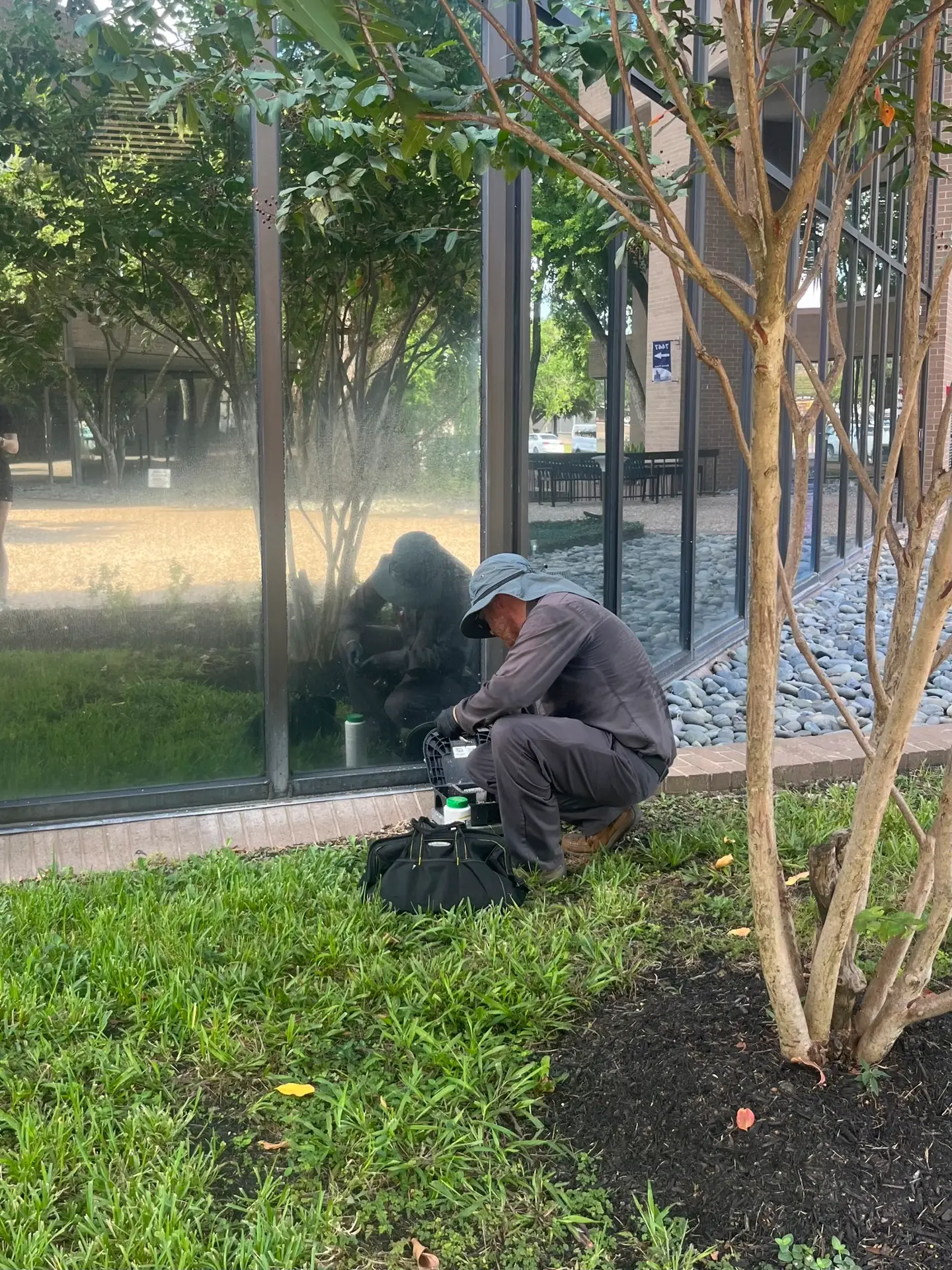
Rodent stations are positioned at appropriate locations around commercial properties based on activity, building conditions, and the needs of the management program.

MAPPED STATION LOCATIONS

Station locations are identified and mapped to support consistent inspections, tracking, and ongoing servicing.

MONTHLY INSPECTIONS

Routine monthly inspections allow technicians to evaluate station condition, check bait, and assess evidence of rodent activity.

SERVICE RECORDS

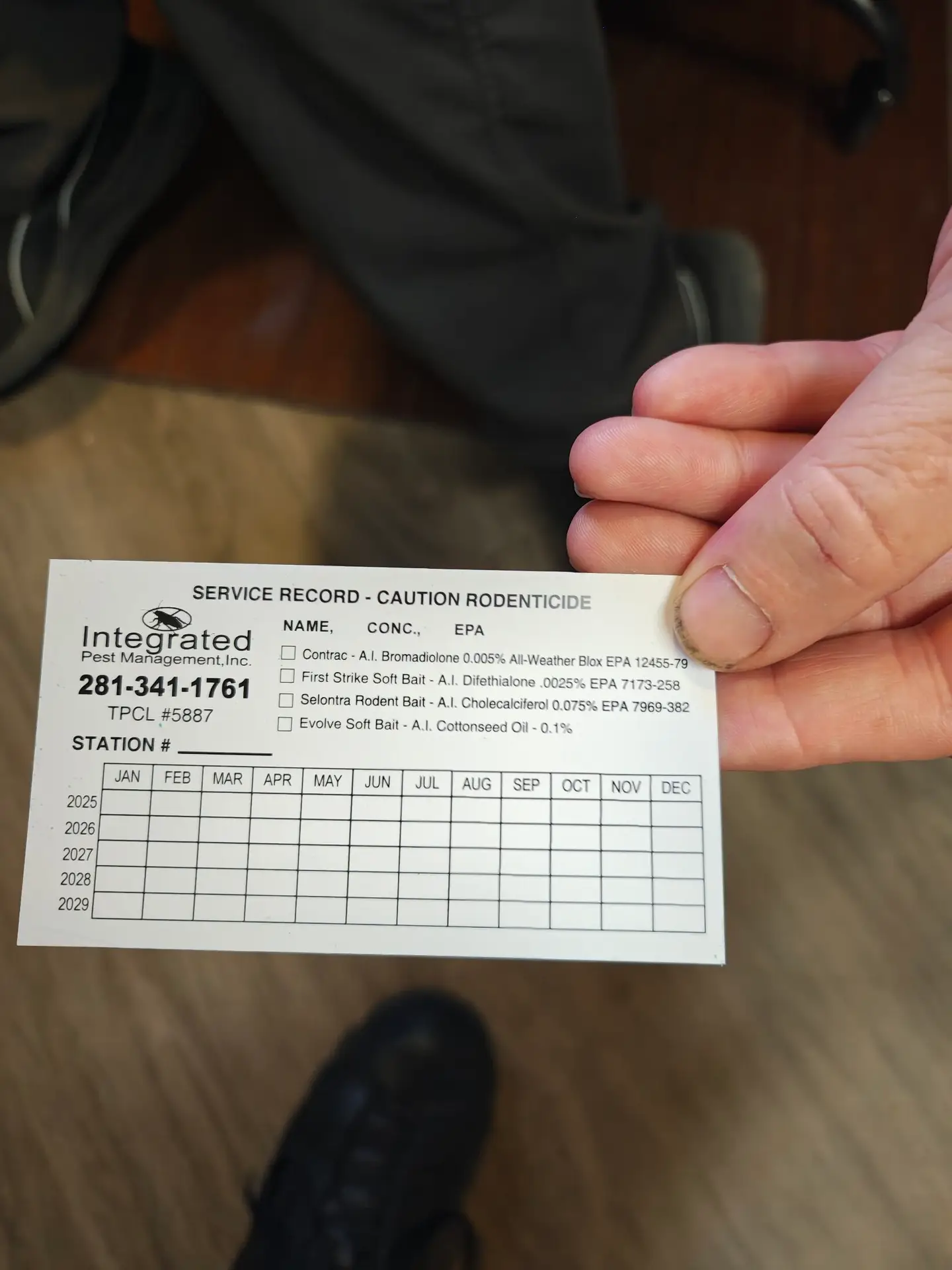
Stations are maintained with service records and relevant product-identification information to support organized, documented maintenance.

PREVENTION & MONITORING

Rodent management also considers structural openings, food sources, waste conditions, and other factors that may contribute to recurring activity.

A COMMERCIAL RODENT MANAGEMENT PROGRAM BUILT AROUND THE PROPERTY


Effective commercial rodent management involves more than placing bait around a building. Our approach combines inspection, proper identification, appropriate control methods, documentation, and ongoing monitoring.

01

Inspect

Evaluate the building perimeter, evidence of rodent activity, possible entry points, available food sources, and conditions that may attract rodents.

02

Identify

Determine the rodent species where possible, examine signs of activity, and consider how rodents are accessing or moving around the property.

03

Correct

Identify opportunities to reduce contributing conditions through sanitation, waste management, structural maintenance, and exclusion recommendations.

04

Treat

Select appropriate control methods and station placements based on property conditions, rodent activity, and applicable product-label requirements.

05

Monitor

Inspect and maintain stations, document findings, evaluate changes in activity, and adjust the management strategy as needed.

Inspect the property. Document the program. Monitor the results.
INSPECTION & MONITORING

WHAT WE LOOK FOR DURING A COMMERCIAL RODENT INSPECTION


Request a Commercial Assessment

RODENT MANAGEMENT FOR COMMERCIAL PROPERTIES


Different commercial environments present different rodent-management challenges. A service program should reflect the property's layout, activity, and surrounding conditions.

OFFICE BUILDINGS

Office buildings may experience rodent activity around landscaping, waste areas, utility penetrations, and concealed structural spaces. Inspections and monitored exterior stations can help identify activity before problems become more noticeable.

RETAIL & SHOPPING CENTERS

Retail centers and multi-tenant properties can have shared waste areas, loading spaces, landscaped perimeters, and multiple building access points. A coordinated rodent-management program considers these shared conditions.

WAREHOUSES & COMMERCIAL FACILITIES

Large buildings, storage areas, receiving docks, and frequent deliveries can create opportunities for rodent entry and movement. Station placement, monitoring, and building-maintenance recommendations should reflect the facility's operations.

DOCUMENTED LOCAL EXPERIENCE

COMMERCIAL RODENT CONTROL WITH ATTENTION TO DETAIL

Integrated Pest Management combines decades of field experience with practical rodent-management procedures that emphasize consistent station servicing, accurate records, and ongoing monitoring.

For commercial property owners and managers, ignoring rodent activity or failing to maintain appropriate service records can become a liability issue. Rodents may damage property, contaminate materials, or create other concerns, while incomplete documentation can make it difficult to establish when stations were inspected and serviced. IPMI's emphasis on mapped stations, monthly inspections, and documented maintenance helps support a more accountable rodent-management program.

Serving Fort Bend Since 1984

Integrated Pest Management has provided professional pest-control services throughout Fort Bend County and surrounding Greater Houston communities since 1984.

IDENTIFIED STATIONS

IPMI uses identifiable rodent bait stations with mapped locations to support organized inspection and maintenance.

DOCUMENTED MAINTENANCE

Monthly station servicing includes checking bait and station condition, recording relevant information, and evaluating evidence of rodent activity.

KNOWLEDGE-DRIVEN CONTROL

Effective rodent management considers rodent behavior, property conditions, appropriate control methods, and prevention opportunities—not simply the placement of bait.

FREQUENTLY ASKED QUESTIONS ABOUT COMMERCIAL RODENT CONTROL

How does commercial rodent control work?

Commercial rodent control begins with inspecting the property and identifying evidence of rat or mouse activity. Depending on the findings, a management program may include appropriately positioned bait stations, monitoring, sanitation and exclusion recommendations, and continued servicing to evaluate changes in activity.

How often are commercial rodent bait stations inspected?

IPMI's commercial rodent-management programs typically include monthly station inspections and maintenance. Technicians check station condition, evaluate bait, document relevant findings, and assess whether adjustments are needed. Service recommendations can vary based on property conditions and activity levels.

Why is it important to map and document rodent bait stations?

Identifying station locations helps technicians locate, inspect, and maintain equipment consistently. Service records also provide information about station maintenance, product identification, and rodent activity. These procedures support continuity and accountability in an ongoing pest-management program.

Are commercial rodent bait stations safe around employees, visitors, and pets?

Rodent bait products require appropriate handling, placement, and precautions. Our technicians use stations and control methods according to applicable product-label directions and site conditions. No baiting system should be considered entirely without risk. Any relevant access restrictions or precautions should be discussed with the property manager.

Can commercial rodent control eliminate rats and mice permanently?

Rodent populations and activity can change as environmental and property conditions change. The goal of commercial rodent management is to control activity, monitor conditions, and address factors that contribute to recurring problems. No program can guarantee that rodents will never return.

NEED A MORE CONSISTENT RODENT CONTROL PROGRAM?


Whether you manage an office building, retail center, warehouse, or another commercial property, rodent activity deserves a structured approach.

Integrated Pest Management provides inspection-led commercial rodent-management services throughout Fort Bend County and Greater Houston, with attention to documented station servicing, monitoring, and appropriate prevention measures.

Contact our Richmond-based team to discuss your property's rodent-management needs.